

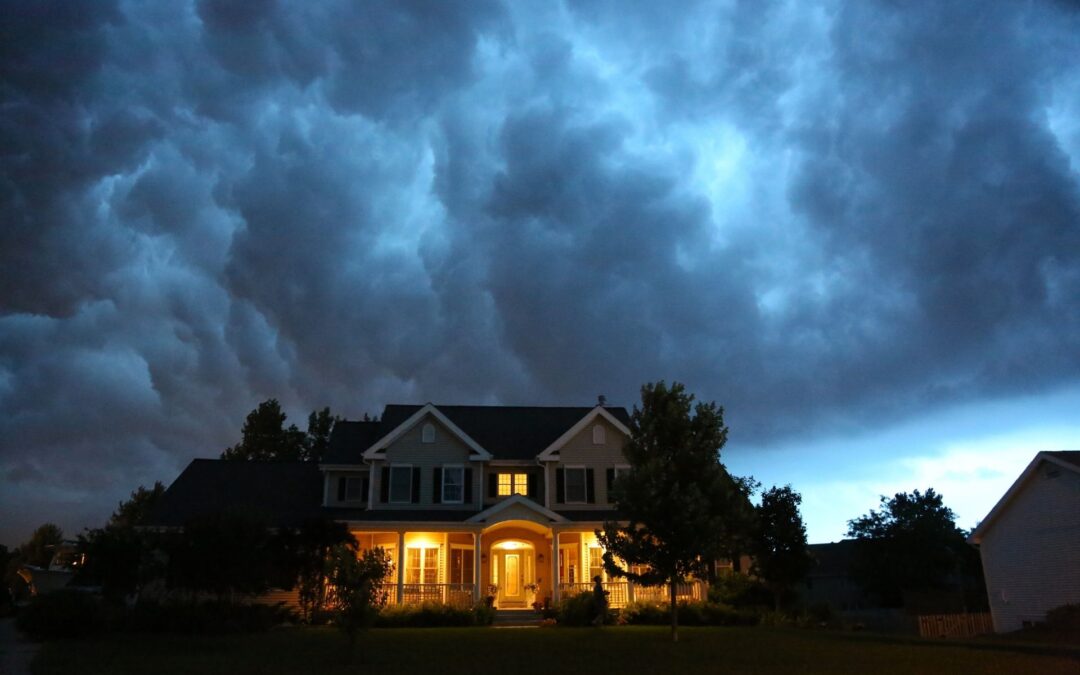
Storm season in North Queensland isn’t something to take lightly. Heavy rain, lightning, strong winds, and power outages can all put serious strain on your home’s electrical system. The good news is that with a bit of preparation, you can reduce the risk of damage, improve safety, and avoid costly repairs.
Here’s how to get your home electrically ready before the storms roll in.
Understand the Risks
Storms can impact your electrical system in several ways:
- Power surges from lightning strikes
- Fallen lines or grid issues causing outages
- Water ingress affecting wiring and connections
- Damage to outdoor electrical components
Preparing ahead of time helps protect both your home and your appliances.
Install Surge Protection
One of the most important steps is protecting your home from power surges. Lightning strikes even from a distance can send high voltage through the electrical network and damage appliances instantly.
Consider:
- Whole-home surge protection installed at your switchboard
- Individual surge protectors for sensitive electronics like TVs, computers, and appliances
This small investment can save thousands in replacement costs.
Check Your Switchboard
Your switchboard is the heart of your electrical system. If it’s outdated or overloaded, it may not handle storm-related stress effectively.
Have a licensed electrician check:
- Safety switches (RCDs) are installed and working
- Circuit breakers are in good condition
- No signs of overheating or corrosion
If your switchboard is older, upgrading it can significantly improve safety and reliability.
Secure Outdoor Electrical Equipment
Outdoor systems are especially vulnerable during storms.
Make sure:
- Outdoor power points are weatherproof and sealed
- Exterior lighting is securely mounted
- Pool equipment and air conditioning units are stable and properly isolated
Loose or exposed components can lead to electrical faults or hazards during heavy weather.
Prepare for Power Outages
Storms often lead to blackouts, sometimes for extended periods.
Be ready with:
- Fully charged devices and power banks
- Torches or battery-powered lighting (avoid candles where possible)
- A backup plan for essential appliances
If you rely on critical equipment, you may want to consider a backup power solution like a generator (installed safely and correctly).
Unplug Sensitive Electronics
Before a major storm hits, it’s a good idea to unplug valuable electronics. Even with surge protection, a direct lightning strike can still cause damage.
Focus on:
- TVs and entertainment systems
- Computers and office equipment
- Modems and routers
It’s a simple step that adds an extra layer of protection.
Watch for Water Exposure
Water and electricity are a dangerous combination. Check areas where water could enter your home and encounter electrical systems, such as:
- Roof leaks near wiring
- Flood-prone areas
- Outdoor switchboards or connections
If you notice water damage or suspect moisture has affected your electrical system, don’t use it—call a professional immediately.
Book a Pre-Storm Electrical Inspection
One of the best ways to prepare is to have a licensed electrician inspect your home before storm season begins.
They can identify:
- Hidden faults or risks
- Outdated components
- Areas that may fail under storm conditions
Catching these issues early can prevent emergencies when the weather turns.
What Not to Do During a Storm
- Don’t attempt electrical repairs yourself
- Avoid using plugged-in appliances during lightning activity
- Stay clear of damaged power lines or electrical equipment
Safety should always come first.
Storm season is unpredictable, but your preparation doesn’t have to be. Taking proactive steps to secure and protect your home’s electrical system can make a huge difference when severe weather hits.
A little preparation now can prevent major damage later keeping your home, your family, and your electrical systems safe when it matters most.