

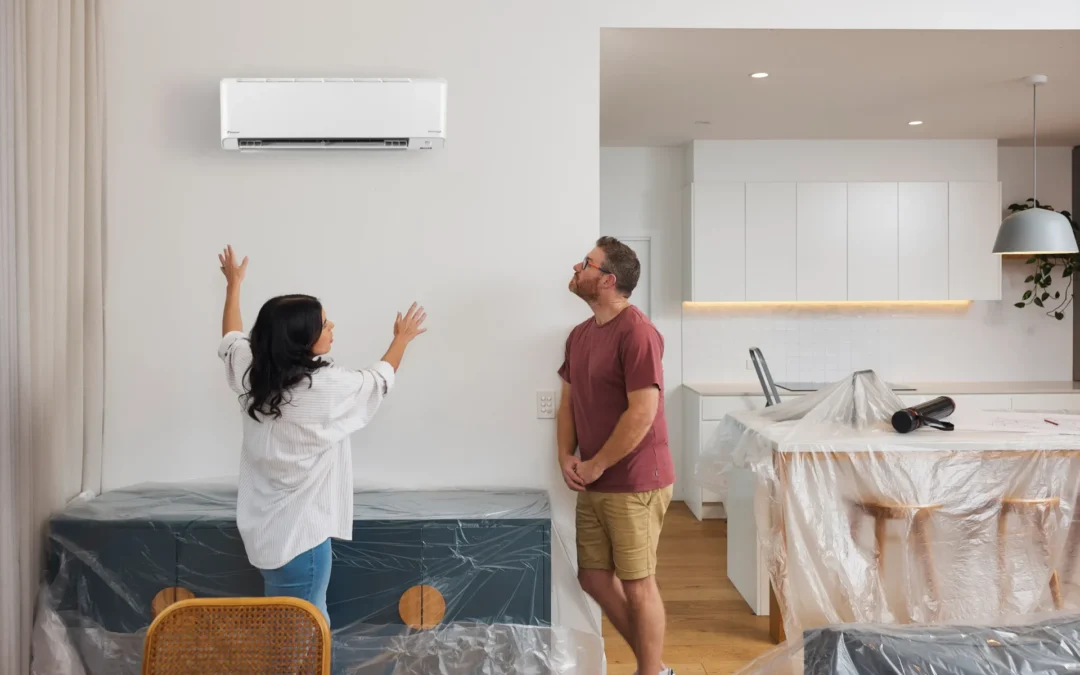
When your Air Conditioner starts playing up, the first instinct is usually to repair it and, in many cases, that’s the right call. But there comes a point where repairs become a temporary (and expensive) band-aid rather than a real solution. Knowing when to replace your system can save you money, improve comfort, and prevent ongoing headaches.
Here are the key signs your air conditioner may be due for replacement rather than another repair.
Frequent Breakdowns
If you’re calling a technician multiple times a year, your system is likely nearing the end of its lifespan. While one-off repairs are normal, repeated issues usually indicate underlying wear and tear across major components.
At that point, you’re often better off putting that repair money toward a new, reliable system.
Rising Repair Costs
A good rule of thumb: if a repair is going to cost a significant portion of the price of a new unit, replacement is usually the smarter investment.
Constantly spending on repairs adds up quickly and you still end up with an older system that could fail again at any time.
Poor Cooling Performance
If your Air Conditioner is struggling to keep the room cool, takes longer than usual, or leaves hot and cold spots, it may be losing efficiency.
This could be due to worn components, failing compressors, or internal buildup that can’t be fully restored. In many cases, especially with older units, performance won’t return to original levels even after repairs.
High Energy Bills
Older Air Conditioning systems are far less energy-efficient than modern units. If you’ve noticed your electricity bills creeping up without a clear reason, your system could be working overtime just to maintain temperature.
Upgrading to a newer system can significantly reduce running costs and improve overall efficiency.
Refrigerant Issues (Especially Older Systems)
If your system uses outdated refrigerants like R22, repairs can become expensive and impractical. These gases are being phased out, making them harder to source and more costly.
In these cases, replacing the unit is often more economical than continuing to repair it.
Unusual Noises or Smells
Grinding, banging, or rattling noises can point to serious internal issues. Musty smells may indicate mould buildup, while burning odours can signal electrical problems.
While some of these issues can be repaired, persistent or severe symptoms often mean the system is deteriorating overall.
Your System Is Over 10–15 Years Old
Most air conditioning systems have a lifespan of around 10–15 years, depending on usage and maintenance.
If your unit is within or beyond this range and starting to show issues, replacement is usually the most cost-effective long-term option.
Poor Air Quality
An ageing system can struggle to properly filter and circulate air. If you’re noticing more dust, humidity issues, or allergy symptoms indoors, your air conditioner may no longer be doing its job effectively.
Your Needs Have Changed
If you’ve renovated, added rooms, or changed how you use your space, your current system might no longer be suitable.
Upgrading allows you to install a system that’s properly sized and designed for your current layout and usage.
Repair vs Replace – What’s the Right Call?
Repairs still make sense when:
- The unit is relatively new
- The issue is minor and isolated
- The system is still efficient and reliable
Replacement is usually the better option when:
- Breakdowns are frequent
- Costs are adding up
- Performance is poor
- The system is older or outdated
Replacing your Air Conditioner might feel like a big upfront cost, but in many cases, it saves you money in the long run through improved efficiency, fewer repairs, and better performance.
If you’re unsure whether to repair or replace, a professional assessment can give you a clear picture of your system’s condition and help you make the right decision for your home or property.